CNC Lathe and Milling Explained: Which Process Your Part Actually Needs
When a custom metal part needs machining, the basic question is whether it should be turned on a lathe, milled, or produced with a combination of both processes. The answer depends first on the shape of the part, then on details such as material, tolerances, quantity, and how the finished component will be used.
Fortunately, customers do not need to solve this before requesting a quote. A clear drawing or model gives the manufacturing team what it needs to recommend a practical approach. Still, understanding the difference between CNC turning and milling can make it easier to plan a project and communicate its requirements.
The Basic Difference Between CNC Turning and Milling
Both processes remove material from a solid piece to create a finished component. The main difference is what moves during machining.
CNC Turning
On a CNC lathe, the material rotates while a cutting tool shapes it. This process, commonly called turning, is well suited to parts that are primarily round or cylindrical. A lathe can also create features such as threads, grooves, tapers, and bored holes.
Common turned parts include:
- Shafts, pins, and rollers
- Bushings, sleeves, and spacers
- Threaded components and fittings
- Pulleys, discs, and cylindrical adapters
CNC Milling
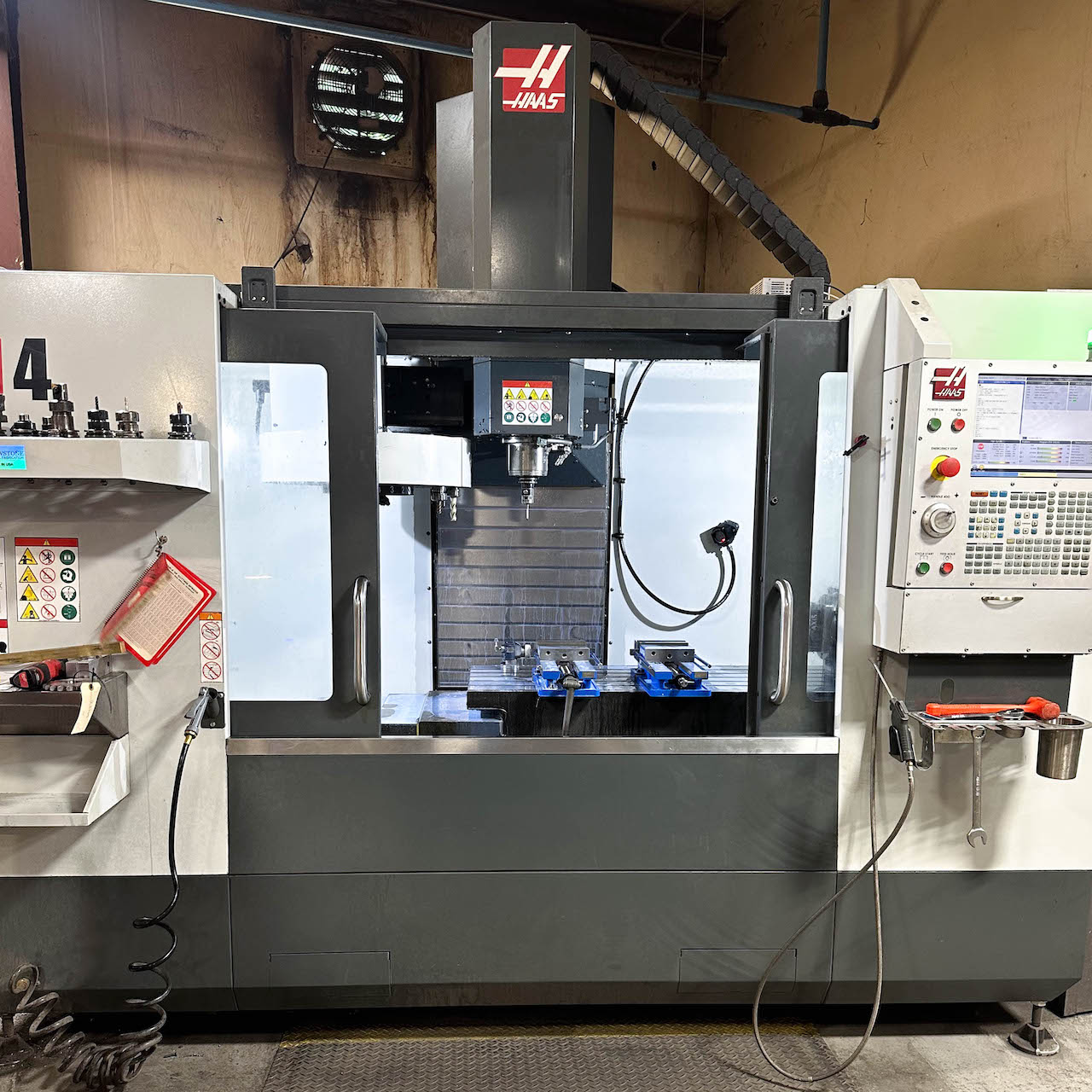
On a CNC mill, the workpiece is held in place while a rotating cutting tool moves across it. Milling is used to create flat surfaces, pockets, slots, holes, and other features that do not follow a single round axis.
Common milled parts include:
- Brackets and mounting plates
- Housings and enclosures
- Parts with slots, pockets, or keyways
- Components with hole patterns or features on multiple faces
When One Part Requires Both Processes
Many components are not purely turned or milled. A shaft may need a keyway, a round flange may need a bolt pattern, or a bushing may require a cross-drilled hole. In those cases, turning can create the main cylindrical shape while milling adds the secondary features.
The best sequence depends on the design and the critical dimensions shown on the drawing. Planning the operations together helps the manufacturing team choose appropriate setups and maintain consistency between features.
If you are not sure whether a part needs turning, milling, or both, that is not a problem. Bowstone can review the design and recommend an approach based on the actual requirements of the project.
What Determines the Best Machining Approach?
Part shape is the starting point, but it is not the only consideration. A machining plan may also be influenced by:
- Part geometry. Round, symmetrical components generally favor turning, while flat or multi-sided parts generally favor milling.
- Critical dimensions and tolerances. The features that matter most help determine how the part should be held and machined.
- Material. Different metals respond differently to cutting, heat, and tool pressure.
- Quantity. The most efficient setup for a single replacement part may differ from the best setup for a production run.
- Additional fabrication. A machined part may also need cutting, forming, welding, finishing, or assembly.
A good process recommendation considers the complete project rather than forcing every component through the same type of machine.
What to Send with a Quote Request
Providing clear project information helps Bowstone understand the part and identify the right next steps. When available, include:
- A 3D model or 2D drawing
- The material and alloy specification
- Important dimensions, tolerances, and surface finish requirements
- The quantity needed
- Your preferred delivery schedule
Not every project begins with a finalized production drawing. If the design is still developing, send the information you have and note which requirements are most important. That gives the team a useful starting point for the conversation.
Machining as Part of a Larger Fabrication Project
Bowstone’s CNC lathe and milling capabilities are part of a broader manufacturing operation that also includes laser and water jet cutting, bending and shaping, welding, and parts assembly.
That range of services is especially useful when a project includes both machined components and a fabricated structure. Keeping related work coordinated through one manufacturing partner can simplify communication and help ensure the finished pieces fit together as intended.
Bowstone completes this work under an ISO 9001:2015 certified quality system, supporting consistent processes from the initial drawing through final production.
CNC Turning and Milling FAQs
Is CNC turning the same as using a CNC lathe?
Yes. The lathe is the machine, and turning is the machining process it performs. The terms are often used interchangeably when discussing round or cylindrical parts.
Can the same part require both turning and milling?
Yes. Parts with a round main body and additional flats, slots, keyways, or cross holes may require both processes.
Do I need to choose the process before requesting a quote?
No. Send the available drawing or model along with the material, quantity, and critical requirements. Bowstone can review the part and help determine the appropriate machining approach.
Start with Your Drawing
The right machining process starts with the part itself. Whether you need a one-off replacement component, a prototype, or a production run, Bowstone can review your project and help identify a practical path forward.
Request a quote from Bowstone or explore our metal machining capabilities to learn more.